
Products
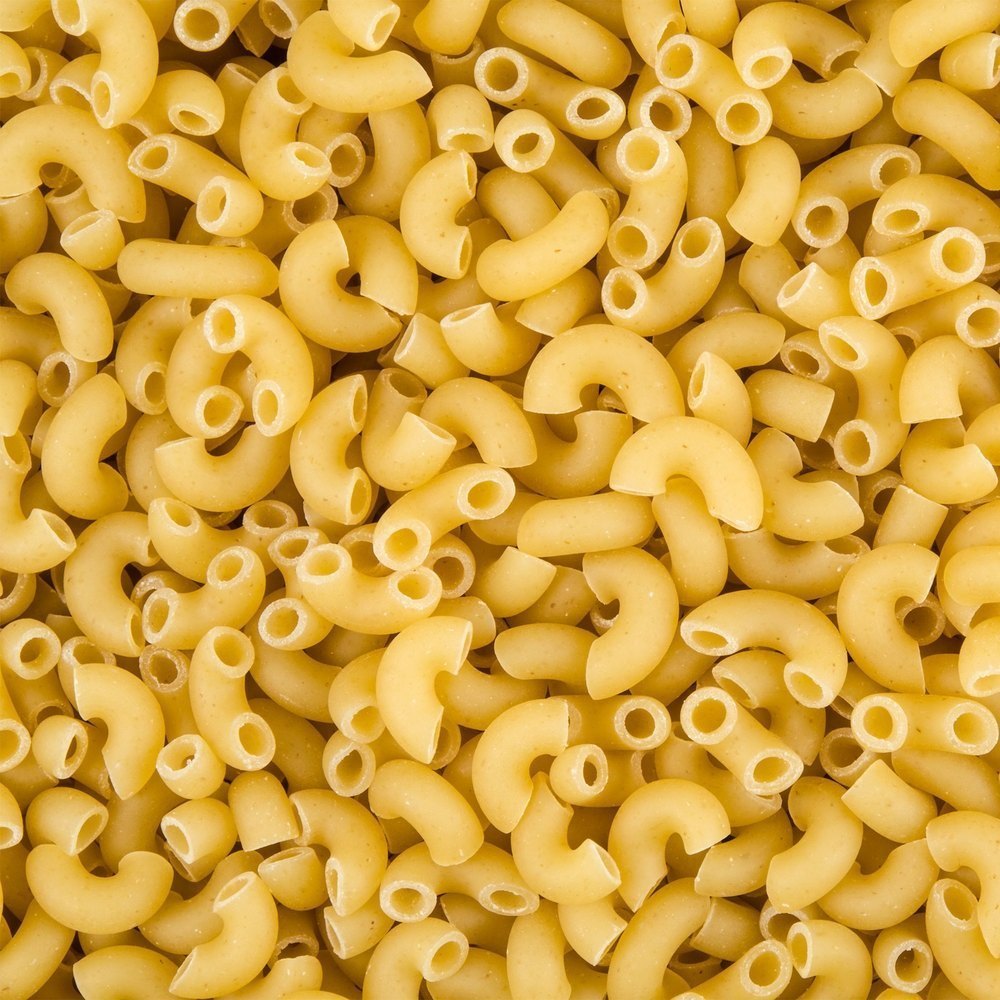
MACRONNI
The production of macaroni pasta begins with the preparation of ingredients. The primary ingredients are durum wheat semolina and water. Durum wheat is a hard wheat variety with high protein content, which gives pasta its characteristic texture and flavor.
The durum wheat is milled into a fine flour known as semolina. The semolina is then mixed with water to form a stiff dough.
Once the dough is properly mixed, it is fed into an extruder machine. The extruder consists of a cylindrical chamber with a rotating screw inside. As the dough is fed into the chamber, the screw applies pressure and forces the dough through a die plate with circular openings to form the traditional hollow tube shape of macaroni.
The dough is extruded through the die plate and cut into short, curved or straight tubes, forming individual macaroni pasta pieces. The size, diameter, and wall thickness of the macaroni are determined by the design of the die.
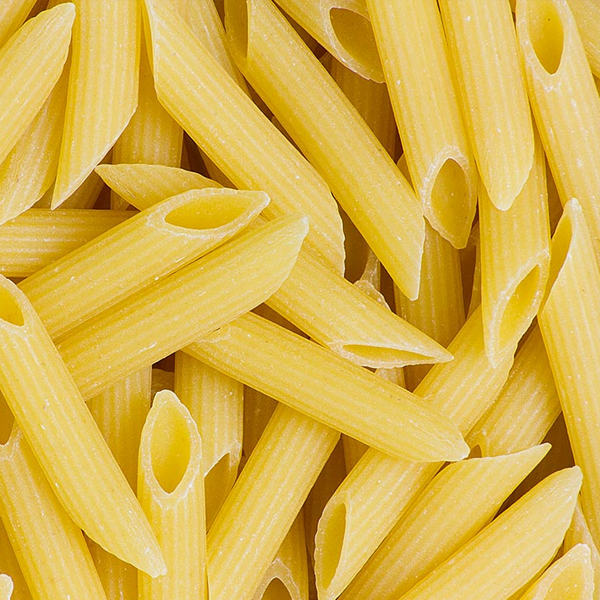
PENNE
The production of penne rigate pasta begins with the preparation of ingredients. The primary ingredients are durum wheat semolina and water. Durum wheat is a hard wheat variety known for its high protein content, which gives pasta its characteristic texture and firmness.
As the pasta is extruded, it passes through a cutting mechanism that cuts it into individual penne rigate shapes. The length of the pasta pieces may be adjusted based on the desired size of the penne rigate.
The pasta pieces are spread out on trays or conveyor belts and transferred to a drying chamber. In the drying chamber, hot air is circulated around the pasta to remove moisture gradually.
After drying, the penne rigate pasta is packaged for distribution and sale. It may be packaged in various formats, including bags, boxes, or bulk containers, depending on the manufacturer's preferences and customer requirements.
.jpg)
FUSILLI
The production of fusilli pasta begins with the preparation of ingredients. The primary ingredients are durum wheat semolina and water. Durum wheat is a hard wheat variety with high protein content, which gives pasta its characteristic texture and flavor.
The durum wheat is milled into a fine flour known as semolina. The semolina is then mixed with water to form a stiff dough.
Once the dough is properly mixed, it is fed into an extruder machine. The extruder consists of a cylindrical chamber with a rotating screw inside. As the dough is fed into the chamber, the screw applies pressure and forces the dough through a die plate with spiral-shaped openings.
The dough is extruded through the die plate, forming individual fusilli pasta pieces. The size and shape of the die plate determine the final characteristics of the pasta, such as size, thickness, and texture.

MINI FUSILLI
The production of mini fusilli pasta begins with the preparation of ingredients. The primary ingredients are durum wheat semolina and water. Durum wheat is a hard wheat variety with high protein content, which gives pasta its characteristic texture and flavor.
The durum wheat is milled into a fine flour known as semolina. The semolina is then mixed with water to form a stiff dough.
Once the dough is properly mixed, it is fed into an extruder machine. The extruder consists of a cylindrical chamber with a rotating screw inside. As the dough is fed into the chamber, the screw applies pressure and forces the dough through a die plate with smaller spiral-shaped openings designed for mini fusilli.
The dough is extruded through the die plate, forming short, tightly coiled mini fusilli pasta pieces. The compact size and shape of the die plate determine the final characteristics of the mini fusilli, such as length, thickness, and curl tightness.

COLOR FUSILLI
The production of fusilli pasta begins with the preparation of ingredients. The primary ingredients are durum wheat semolina and water. Durum wheat is a hard wheat variety with high protein content, which gives pasta its characteristic texture and flavor.
The durum wheat is milled into a fine flour known as semolina. The semolina is then mixed with water to form a stiff dough.
Once the dough is properly mixed, it is fed into an extruder machine. The extruder consists of a cylindrical chamber with a rotating screw inside. As the dough is fed into the chamber, the screw applies pressure and forces the dough through a die plate with spiral-shaped openings.
The dough is extruded through the die plate, forming individual fusilli pasta pieces. The size and shape of the die plate determine the final characteristics of the pasta, such as size, thickness, and texture.

COLOR MINI FUSILLI
The production of fusilli pasta begins with the preparation of ingredients. The primary ingredients are durum wheat semolina and water. Durum wheat is a hard wheat variety with high protein content, which gives pasta its characteristic texture and flavor.
The durum wheat is milled into a fine flour known as semolina. The semolina is then mixed with water to form a stiff dough.
Once the dough is properly mixed, it is fed into an extruder machine. The extruder consists of a cylindrical chamber with a rotating screw inside. As the dough is fed into the chamber, the screw applies pressure and forces the dough through a die plate with spiral-shaped openings.
The dough is extruded through the die plate, forming individual fusilli pasta pieces. The size and shape of the die plate determine the final characteristics of the pasta, such as size, thickness, and texture.

COLOR MACRONNI
The production of macaroni pasta begins with the preparation of ingredients. The primary ingredients are durum wheat semolina and water. Durum wheat is a hard wheat variety with high protein content, which gives pasta its characteristic texture and flavor.
The durum wheat is milled into a fine flour known as semolina. The semolina is then mixed with water to form a stiff dough.
Once the dough is properly mixed, it is fed into an extruder machine. The extruder consists of a cylindrical chamber with a rotating screw inside. As the dough is fed into the chamber, the screw applies pressure and forces the dough through a die plate with circular openings to form the traditional hollow tube shape of macaroni.
The dough is extruded through the die plate and cut into short, curved or straight tubes, forming individual macaroni pasta pieces. The size, diameter, and wall thickness of the macaroni are determined by the design of the die.
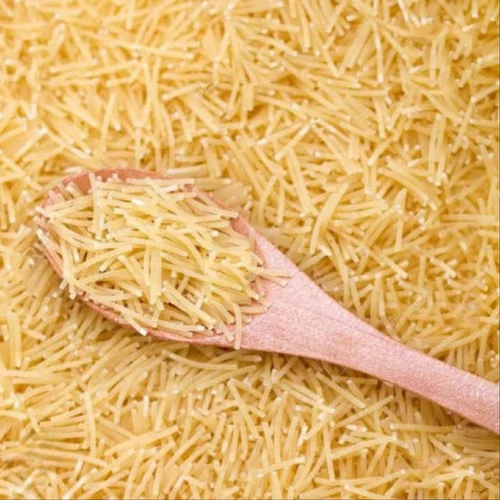
VERMICELLI
The production of vermicelli begins with high-quality durum wheat, which is milled into semolina. This coarse flour is known for its high protein content and is ideal for making firm, elastic pasta products.
The semolina is mixed with water to form a stiff dough. This dough is then fed into an extruder machine, where it is pressed through a die plate with narrow holes to create thin, uniform strands of vermicelli.
Once extruded, the vermicelli strands are cut to the desired length and laid out for drying. Drying can be done using sun exposure or hot air systems to remove moisture while maintaining the shape and strength of the strands.
After drying, the vermicelli is cooled, quality-checked, and packed for distribution. The final product is ready to be used in both sweet and savory dishes across various cuisines.